It was not tranquil when Megalodon’s molar was first found. The tooth belonged to the largest predatory fish ever be seen in the oceans. The tooth was ripped out. That’s the end of it for most items. For fossils this could be the beginning.
The fossils from FossilDriven’s collection have been through a geological experience that’s not measured in years or decades, but millions of years. Understanding this journey transforms the experience of looking at a fossil. It’s no longer just looking at a fascinating object. You’re witnessing physical evidence from a long-gone world.
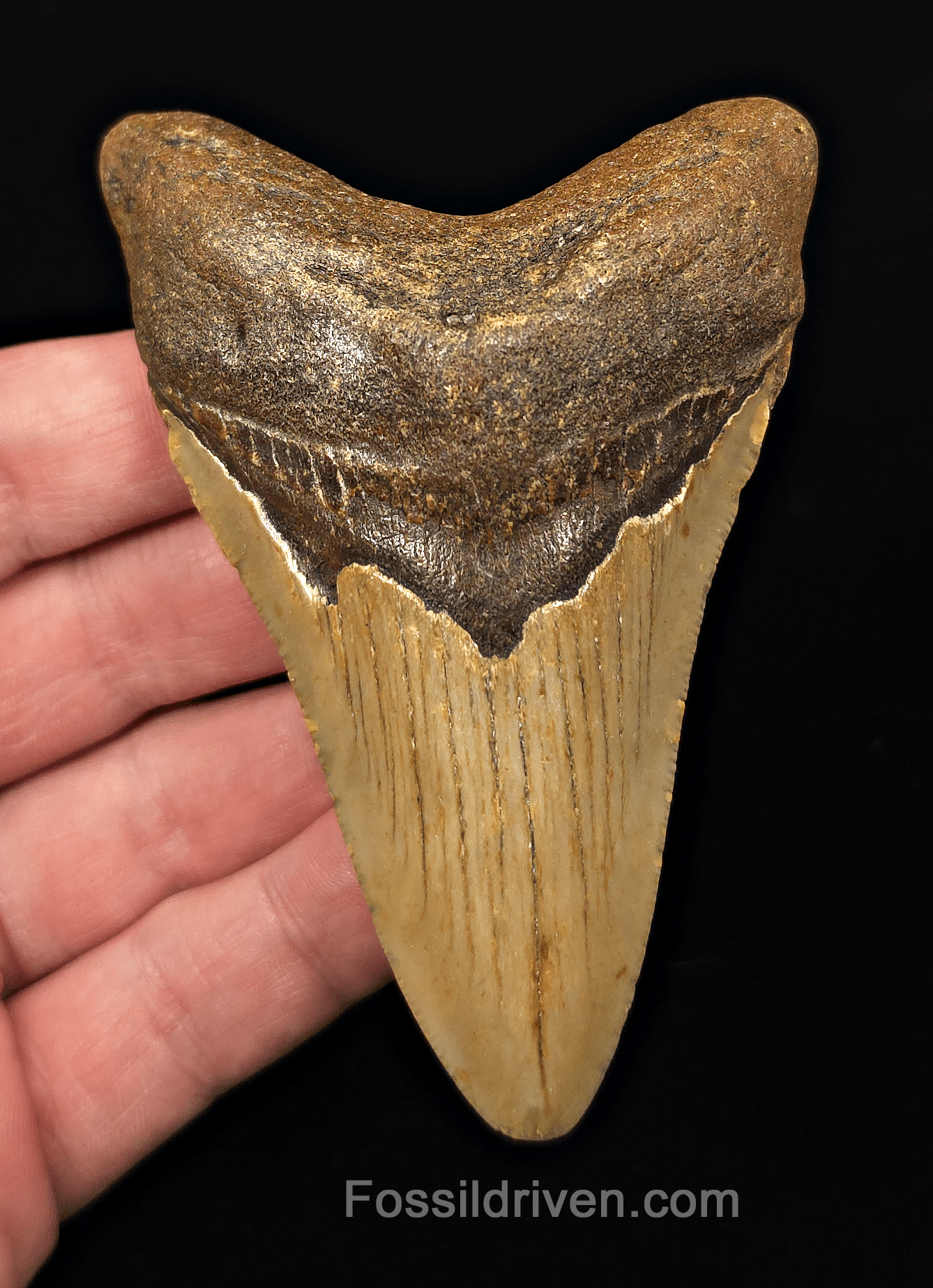
Image credit: fossildriven.com
First Station: An Ancient Ocean
Take Megalodon’s tooth from West Java in Indonesia. Around 20 million year ago the warm marine habitats of the past were common in the dry regions of today. Megalodons and marine animals resided in these waters along with Megalodons.
Megalodon also produced and shed teeth in a similar manner to modern sharks. Some of the teeth became part of marine sediments. In the right conditions burial could protect them for until long enough to allow fossilization to occur.
Then geology came in.
The following chapter unfolded extremely slow. Sediments started to build up. Minerals were able to react with the buried material. The forces of geology altered landscapes and environments that had once was underwater were transformed into the land that we know today. This is why people immediately notice when they look at megalodon teeth for sale Genuine fossil teeth may appear dramatically different in colors.
Indonesian specimens from the West Java’s Miocene Bentang Formation could appear tan, gold, brown, red, blue or even black. Some exhibit multiple shades in a single tooth. The mineral environment around them contributes to the appearance that a specimen acquires over its lengthy burial. It is impossible to make the results in large quantities using natural methods. Each fossil has had its own geological story.
Discovery Starts a New Chapter
In the end, a fossil that was hidden for a number of decades is finally discovered. The identification and documentation becomes important.
Collectors don’t just look at the appearance of megalodon teeth as they browse for them. The information about location and geological age preservation, repairs and restoration will help them understand the things they’re really thinking about.
Natural wear isn’t able to erase any fossil’s previous. The fossil’s past is reflected in worn edges or a damaged root, or a surface that is serrated. The most important thing is to represent the specimen in a precise manner.
Fossil Driven’s experience with fossil identification extends over thirteen years. We work with well-established fossil hunters and fossil suppliers. The specimens are examined and described, including relevant information if possible.
The Fossil is likely to reach the hands of someone.
People buy real Fossils for many reasons. Many people create a meticulously separated collection. Others want a single dramatic conversation piece. A child interested in ancient animals may receive the first fossil that sparks their interest in paleontology.
Megalodons are but one of the many entrances which lead to the present. Dinosaur molars, trilobites and ammonites are among the many fossils that relive the Earth’s past.
The best thing about it is knowing it’s real
A replica is able to replicate the form of a tooth from the past. It’s impossible to reproduce the history. It is impossible to reproduce its past.
This is the reason that authenticity is vital. A fossil is a tangible reminder of a trip that has been nearly impossible to imagine. The most recent stop is the display case.